

Specialty Care
NeuroVisual
Medicine.
When your eyes and brain are not working in perfect harmony, the effects reach far beyond your vision. We find the connection others miss.
Your headaches may not
be in your head.
Millions of people suffer from chronic headaches, dizziness, neck pain, anxiety, and reading difficulties — and never discover the true cause. NeuroVisual Medicine is a specialized field that examines the relationship between the visual system and the brain, identifying subtle misalignments that standard eye exams routinely miss.
At Trendsetter Eyewear, Dr. Payne has advanced training in NeuroVisual Medicine and Binocular Vision Dysfunction — offering patients in the Las Vegas valley answers they have been searching for, often for years.
Understanding the Condition
What Is
BVD?
Binocular Vision Dysfunction
Binocular Vision Dysfunction (BVD) occurs when the eyes are slightly misaligned — not enough to cause an obvious eye turn, but enough that the brain must work constantly and exhaustingly to merge the two slightly different images into one. This chronic neurological effort is the source of a wide range of symptoms that appear to have nothing to do with vision.
Why It Goes Undetected
Standard eye exams test visual acuity (how clearly you see the letters on the chart) but do not measure the precise alignment and coordination of the two eyes working together. BVD can exist in patients with perfect 20/20 vision — which is why it is so frequently missed, and why patients are often told "your eyes are fine" despite debilitating symptoms.
The Brain-Eye Connection
The visual system is deeply integrated with the vestibular (balance) system, the proprioceptive system, and the autonomic nervous system. When binocular vision is disrupted, the effects cascade throughout the body — producing symptoms that mimic anxiety disorders, vestibular disorders, cervicogenic headaches, and even ADHD.
1 in 4
people have some degree of binocular vision dysfunction
Could This Be You?
Symptoms of
Binocular Vision Dysfunction.
Physical
Neurological
Anxiety
Reading
Driving
Binocular Vision
The Key Insight
Many patients with BVD have been evaluated by neurologists, ENT specialists, physical therapists, and psychologists — without resolution. The visual system is rarely examined as a cause of these systemic symptoms.
If you have been told "everything looks normal" but continue to suffer, a NeuroVisual evaluation with Dr. Payne may finally provide the answers you need.
Take the BVD TestBook an EvaluationRoot Causes
What Causes
BVD?
Facial Asymmetry
Subtle differences in the height or position of the eye sockets — present from birth — can cause a persistent vertical misalignment that the brain must constantly compensate for.
Concussion & Head Injury
Traumatic brain injury is one of the most common triggers of acquired BVD. Even mild concussions can disrupt the precise neural pathways that coordinate binocular vision.
Genetic Inheritance
BVD often runs in families. If a parent or sibling has been diagnosed with BVD or experiences chronic unexplained headaches and dizziness, there is an elevated likelihood in other family members.
Stroke & Neurological Events
Stroke, multiple sclerosis, and other neurological conditions can damage the cranial nerves and brain regions responsible for eye alignment and coordination.
Lyme Disease
Lyme disease and other tick-borne illnesses can affect the nervous system in ways that disrupt binocular vision, producing BVD symptoms that persist long after the infection is treated.
Post-COVID Syndrome
Long COVID has been associated with a range of neurological symptoms, including new-onset binocular vision dysfunction — particularly in patients with persistent headaches, brain fog, and dizziness.
The Diagnostic Gap
BVD Is Frequently
Misdiagnosed.
Because BVD produces symptoms that affect so many systems of the body — balance, mood, cognition, pain — patients are routinely sent to specialists who are not trained to look at the visual system as a cause. Years of treatment for the wrong condition is common.
A proper diagnosis requires a specialized NeuroVisual evaluation — not a standard eye exam. If you have been told your eyes are fine but your symptoms persist, BVD may be the answer that has been missed.
BVD is commonly mistaken for:
Who We Help
BVD Affects
More Than You Think.
Post-Concussion Patients
Traumatic brain injury frequently disrupts the visual-vestibular system. BVD is one of the most common and under-diagnosed causes of persistent post-concussion symptoms.
Neurological Conditions
Patients with stroke, multiple sclerosis, Parkinson's disease, or other neurological conditions often develop binocular vision dysfunction as a secondary complication.
Unresolved Vision Complaints
Patients who have had glasses or contacts for years but still experience headaches, eye strain, or reading difficulty may have an underlying binocular vision problem.
Children & Learning Difficulties
Children with reading problems, attention difficulties, or avoidance of near work are frequently found to have binocular vision dysfunction — not a learning disability.
The Treatment
Micro-Prism
Aligning Lenses.
The primary treatment for Binocular Vision Dysfunction is the prescription of micro-prism lenses — specially crafted lenses that contain a precisely measured prism to redirect light and compensate for the misalignment between the eyes.
Unlike standard prism corrections used for large eye turns, NeuroVisual prism prescriptions involve very small amounts of prism — often fractions of a prism diopter — that are calibrated through a detailed measurement process unique to this specialty. The lenses look identical to standard eyeglasses.
~80%
of BVD patients report significant symptom relief with prism lenses
Days
is often how quickly patients begin to notice improvement after starting prism therapy
90%+
of post-concussion patients with persistent symptoms have a visual component
Your Journey
What to Expect
at Your Evaluation.
Comprehensive NeuroVisual Evaluation
A specialized assessment that goes beyond a standard eye exam — measuring the precise alignment, coordination, and neurological integration of your visual system.
Binocular Vision Analysis
Dr. Payne measures the degree of vertical and horizontal misalignment, vergence ranges, and the brain's ability to fuse images from both eyes into a single, stable picture.
Micro-Prism Prescription
If BVD is confirmed, precisely calibrated aligning prism lenses are prescribed. These lenses redirect light to compensate for the misalignment, allowing the brain to fuse images effortlessly.
Follow-Up & Refinement
Prism prescriptions are refined over time as the visual system adapts. Dr. Payne monitors your progress and adjusts your lenses to sustain and build on your results.
Advanced Training
Las Vegas's
NeuroVision Trained Optometrist.
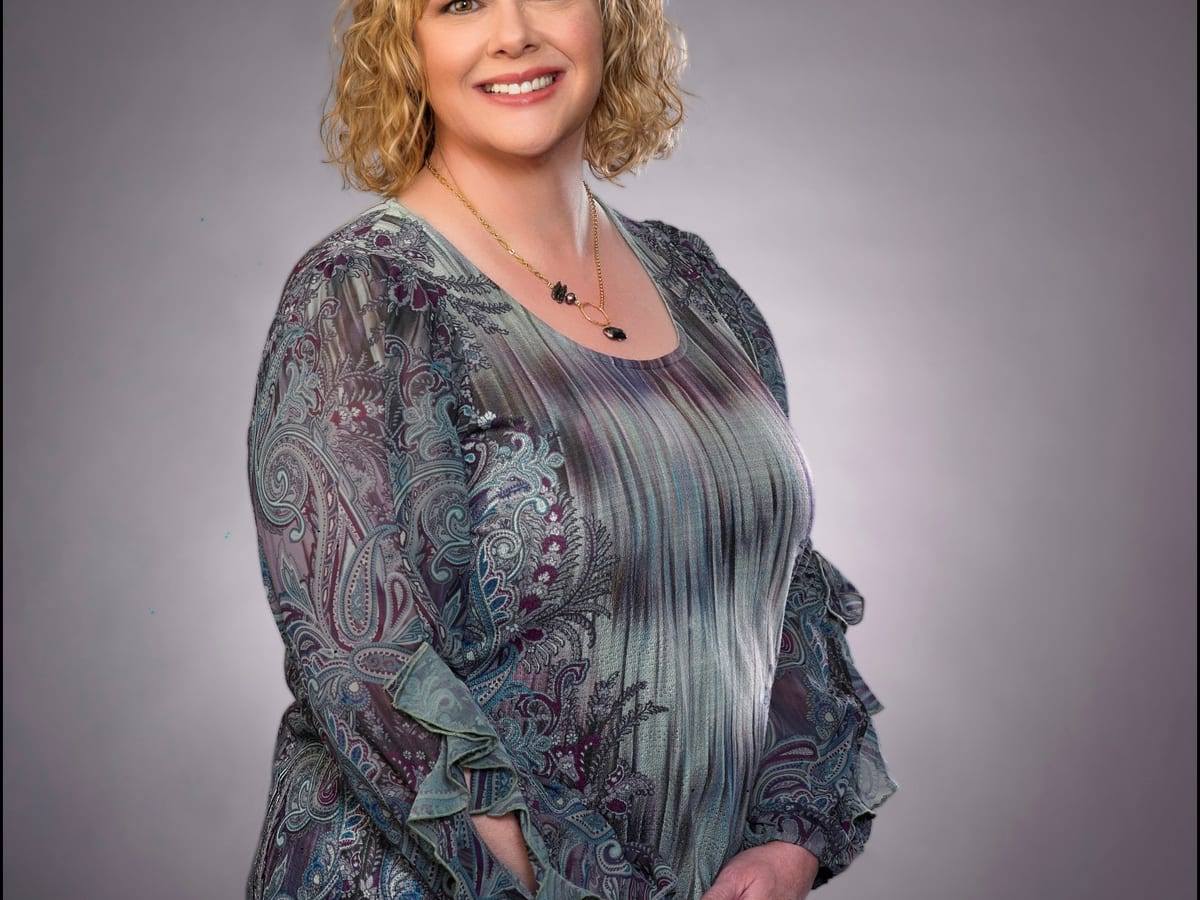
Dr. Cynthia Payne has pursued advanced post-doctoral training in NeuroVisual Medicine and Binocular Vision Dysfunction — a specialty that requires expertise well beyond the scope of a standard optometry education. She is one of a small number of practitioners in Nevada with this level of specialization.
Her approach combines a thorough understanding of the neuroscience of vision with the clinical precision required to measure and treat the subtle misalignments that cause BVD. Many of her NeuroVisual patients come to her after years of unsuccessful treatment elsewhere.
Certified NeuroVisual Medicine Specialist
Verified on vision-specialists.com
Post-Doctoral NeuroVisual Training
Advanced certification in NeuroVisual Medicine and Binocular Vision Dysfunction diagnosis and treatment.
Micro-Prism Prescription Expertise
Specialized skill in the precise measurement and calibration of aligning prism lenses — a technique requiring dedicated training beyond standard optometry.
Post-Concussion Vision Rehabilitation
Experience working with patients recovering from traumatic brain injury, stroke, and other neurological events that affect the visual system.
Pediatric NeuroVisual Care
Evaluation and treatment of children with reading difficulties, attention problems, and learning challenges related to binocular vision dysfunction.
Patient Stories
What Patients
Are Saying.
I'm not tired when I read now. School is not as hard, and I have more fun. My glasses make everything better.
Justin
BVD Patient
I was about to be put into a special education class because I was having so many learning problems. That was ten years ago. These lenses changed everything, really! The headaches disappeared. Reading was so much easier and I could figure out my homework.
Kali
BVD Patient
I was riding my motorcycle and was hit from behind. The years that followed were filled with excruciating pain. I couldn't cut the grass, cook, or do much of anything. Then, one of my therapists referred me to a BVD specialist. When I put on the trial lenses, the pain instantly left. This is the real deal.
Roy
Post-Accident BVD Patient
Explore NeuroVisual Treatments
Patient Stories
What NeuroVisual Patients
Are Saying.
5.0 / 5
352 Google Reviews
“Dr Payne and her staff are so friendly and knowledgable. She's been able to explain any questions I have thoroughly. I live 3 hours away in southern UT and would rather see her than anyone nearby. I'v…”

lalacrunk
September 2026
“Updated 9/26/2026: Everything is the same: "Dr. Cynthia Payne and her staff are the absolute BEST! I used to dread going to the eye doctor, but she puts me completely at ease. I wish my other health c…”

Linda Molony
September 2026
“We moved to Las Vegas a couple of years ago, and the time finally came for me to choose a new team for my eye care needs. After extensive research, I chose Trendsetter Eyewear—and I am so glad I did.…”

Michael Polivka
September 2026
“From the moment I walked through the door, I was greeted by Chip & Daniel. They were both very cheerful and helpful. We had some great conversations. Daniel walked me back to one of the rooms where he…”

Sandra Zobrist
August 2026
“Exam was thorough and professional.”

Naomi Romero
August 2026
“My eye exam was thorough; (handled with care), from, Dr Payne. Mr Chip's suggestions with frames is always very helpful. Love this place.”

William Graham
August 2026
Join hundreds of patients who have discovered a better standard of eye care in Summerlin, Las Vegas.
Read All 352 ReviewsFind Your Answers
The connection
others missed.
If you have been living with unexplained headaches, dizziness, or visual discomfort, a NeuroVisual evaluation with Dr. Payne may be the most important appointment you ever make.
Explore Further
BVD In Depth
A complete guide to Binocular Vision Dysfunction — types, misconceptions, and the diagnostic process.
Learn MoreAvulux Migraine Lenses
Precision-tinted lenses that filter the specific wavelengths of light that trigger migraines.
Learn MoreNeuroLens
Contoured prism lenses that realign the eyes and relieve trigeminal nerve strain.
Learn MoreTheraLens
Specialty contact lenses designed for patients with BVD and light sensitivity.
Learn More